Understanding Sleep Architecture: How Stages Impact Restorative Sleep
Sleep is not a monolith. It is a choreography of stages that cycle through the night, shaping memory, mood, and physical restoration. In this explainer, we dive into the architecture of sleep—the cadence of REM and non-REM stages—and translate scientific findings into practical guidance. Drawing on historical perspectives from three influential figures across time, we trace how our understanding of sleep has evolved and why the rhythm of rest matters more than ever in a fast-paced world.
What is sleep architecture?
Sleep architecture refers to the structure of sleep across a night, including the sequence and duration of stages: non-rapid eye movement (NREM) sleep, and rapid eye movement (REM) sleep. A typical night features several cycles, each lasting about 90 to 110 minutes in adults, though variations abound. Early in the night, NREM stages dominate, providing deep physical restoration. Later cycles feature proportionally longer REM periods, linked to memory processing, emotional regulation, and dreaming.
The brain’s electrical activity shifts across stages, observable in electroencephalography (EEG). NREM sleep progresses from light stages (N1 and N2) to deep slow-wave sleep (N3), characterized by high-amplitude, low-frequency waves. REM sleep, by contrast, resembles wakefulness in brain activity but is marked by muscle atonia and vivid dreaming. This architecture—structured yet dynamic—underpins the restorative functions of sleep.
Understanding this architecture helps readers tailor routines and environments to align with complete sleep cycles. Small choices, like light exposure, room temperature, and pre-sleep activities, can influence the balance between stages and the overall quality of rest.
Why do stages matter for health?
Each stage contributes to different facets of health. NREM sleep, especially slow-wave sleep (N3), supports tissue repair, immune function, and growth hormone release. REM sleep is crucial for memory consolidation, emotional processing, and learning. A balanced night ensures that both metabolic and cognitive processes receive adequate downtime, reducing daytime fatigue, mood disturbances, and the risk of chronic conditions.
Disruptions in architecture—due to stress, environmental noise, caffeine, or irregular schedules—can fragment cycles and blunt the restorative benefits. The goal isn’t to chase perfect REM every night, but to cultivate a consistent rhythm where full cycles occur with enough duration and depth to promote recovery.
Practical takeaway: prioritize a regular bedtime, optimize the sleep environment, and be mindful of stimulants and screens in the evening to support a complete sleep architecture over the course of the night.
Three key voices across time
Hippocrates (circa 460–370 BCE)
Often credited as the father of medicine, Hippocrates emphasized the harmony between bodily rhythms and daily living. Although modern sleep science did not exist in his era, his observations about rest, restlessness, and the rhythms of life laid early groundwork for understanding how lifestyle and health intertwine with circadian patterns. In a Time Magazine perspective, his era would remind readers that rest is a physician in itself, deserving of discipline and attention.
Takeaway: Ancient wisdom points to consistency in daily routines as a foundational ingredient for healthy sleep, a theme echoed by contemporary sleep researchers.
Franz von Leydig (1800s–1900s, German physiology)
In the lineage of physiological inquiry, Franz von Leydig and contemporaries helped situate sleep within the broader framework of bodily systems. While not focusing exclusively on sleep stages, their work in hormonal regulation and tissue processes intersected with later understandings of sleep’s restorative functions. Their legacy lives in the scientific method, peer review, and the habit of documenting observable phenomena—cornerstones of how we study sleep today.
Takeaway: The scientific method—careful observation, measurement, and synthesis—remains the anchor for validating sleep science in the modern era.
Matthew Walker (contemporary, 21st century)
A leading voice in sleep science, Matthew Walker has popularized complex research about circadian rhythms and sleep architecture through accessible writing and public education. His work emphasizes how sleep’s timing and structure affect health, mood, and cognitive performance, underscoring practical strategies that readers can apply in daily life.
Takeaway: Modern science supports clear, actionable steps—consistent bedtimes, light management, and routine—so readers can optimize sleep with evidence-based practices.
Practical tips to optimize sleep architecture
-
Establish a consistent sleep schedule: aim for a regular bedtime and wake time, even on weekends. This regularity reinforces circadian timing and supports predictable cycles.
-
Create a sleep-conducive environment: cool, dark, and quiet rooms favor deeper NREM stages earlier in the night, while minimizing awakenings that disrupt REM-rich later cycles.
-
Manage light exposure: sunlit mornings reinforce wakefulness in alignment with circadian rhythms. In the evening, dim lights and reduced blue-light exposure prepare the brain for sleep.
-
Caffeine and alcohol timing: avoid caffeine late in the day and moderate alcohol, which can fragment sleep and alter stage distribution.
-
Pre-sleep routines: gentle activities, such as reading or light stretching, can ease transitions between wakefulness and sleep, supporting smoother progression through stages.
-
If sleep difficulties persist, consider consulting a clinician or sleep specialist. Cognitive Behavioral Therapy for Insomnia (CBT-I) and other evidence-based approaches address core sleep disruptions and can recalibrate architecture over time.
Glossary of key terms
- REM sleep: The stage characterized by rapid eye movements, vivid dreaming, and brain activity similar to wakefulness, essential for memory consolidation and emotional processing.
- NREM sleep: Non-REM sleep encompasses stages N1–N3, with N3 (slow-wave sleep) providing deep physical restoration.
- Circadian rhythm: The internal 24-hour clock that regulates sleep-wake cycles in response to light and other cues.
- Sleep architecture: The overall structure and progression of sleep stages across a night.
- CBT-I: Cognitive Behavioral Therapy for Insomnia, an evidence-based treatment addressing thoughts and behaviors that hinder sleep.
Credible sources and further reading
Readers seeking a deeper dive can explore foundational texts in sleep medicine, peer-reviewed journals on sleep research, and accessible guidelines from sleep science organizations. A healthful approach blends personal experimentation with scientifically grounded recommendations, always mindful of individual variability.
For ongoing exploration, consider trusted reviews on sleep architecture, circadian biology, and behavioral sleep medicine, which provide a bridge between laboratory findings and practical, day-to-day adjustments.
A note on bedding and environment
While the science of sleep architecture explains the why behind restorative rest, the environment and bedding can influence the ease with which you glide into and through sleep stages. A well-chosen bed frame, mattress topper, sheets, and pillows—balanced for temperature regulation and surface comfort—support the body in staying asleep with minimal disruption.
In the shopping context, consider items that complement your sleep goals. For example, breathable sheet fabrics and supportive, hypoallergenic pillows can improve comfort, while a supportive bed frame and appropriate mattress toppers help maintain neutral spine alignment and reduce nighttime movement. The interplay between product choice and sleep behavior is a practical pathway to better nights.
Selected products for a sleep-optimizing setup
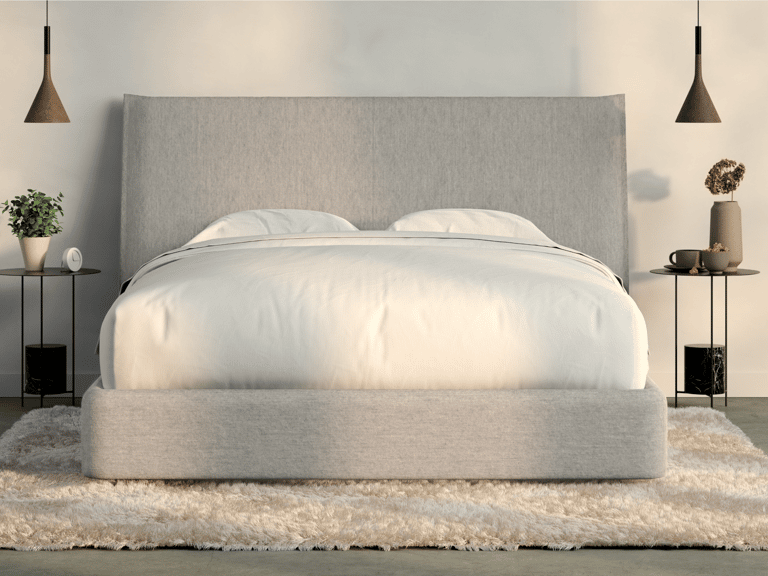
Haven Bed Frame
Felted wool upholstery and a sturdy frame for a modern, clean look.
A solid foundation matters. The Haven Bed Frame offers durable support without a box spring, aligning with a minimal, modern bedroom aesthetic. Its construction emphasizes stability and clean lines, attributes that reduce micro-movements and support restful sleep.
Price: 1895.00
Loft Bed (Vermont Furniture Designs)
Solid cherry wood with traditional joinery and eco-friendly oil finish.
Space-saving design with a timeless silhouette. The Loft Bed exemplifies sustainable craftsmanship and adaptability for bedrooms of varying sizes, supporting a rest-focused environment without compromising style.
Price: 2195.00
Note: Visual references for products are provided as a reminder of how physical design elements interact with sleep comfort. Always verify product specifications and compatibility with your existing bedding ensemble.
Conclusion: Sleep as an enlightened practice
Sleep architecture is a dynamic, finely tuned system. By understanding the phases of REM and non-REM sleep, readers can contextualize how rest affects memory, mood, and physical recovery. Across centuries, thinkers have acknowledged that rest is not passive but a structured, essential process. Today, with robust science and patient, practical guidance, we can design environments and routines that honor this architecture—finding balance between science, daily life, and personal comfort.
As you pursue better sleep, remember that consistency matters as much as the details. The cadence of your night—your cycles through NREM and REM—forms the backbone of recovery, learning, and resilience. Treat sleep as a priority, pair it with a thoughtfully designed sleep space, and let the architecture of your rest guide the rest of your day.