Latex, derived from natural rubber tree sap, offers a unique combination of buoyancy, resilience, and breathability that supports a range of sleeping positions. The material responds to body weight with contouring comfort while maintaining a supportive lift, helping align the spine and relieve pressure points. In bedding contexts, latex is valued for its durable structure and consistent performance over time.
Key features of latex bedding include immediate responsiveness, hypoallergenic properties, and anti-microbial potential due to natural rubber composition. Ventilation channels and open-cell structures promote air circulation, reducing heat buildup. When paired with other textiles like organic cotton or wool, latex contributes to a balanced, comfortable sleep environment with reduced moisture retention.
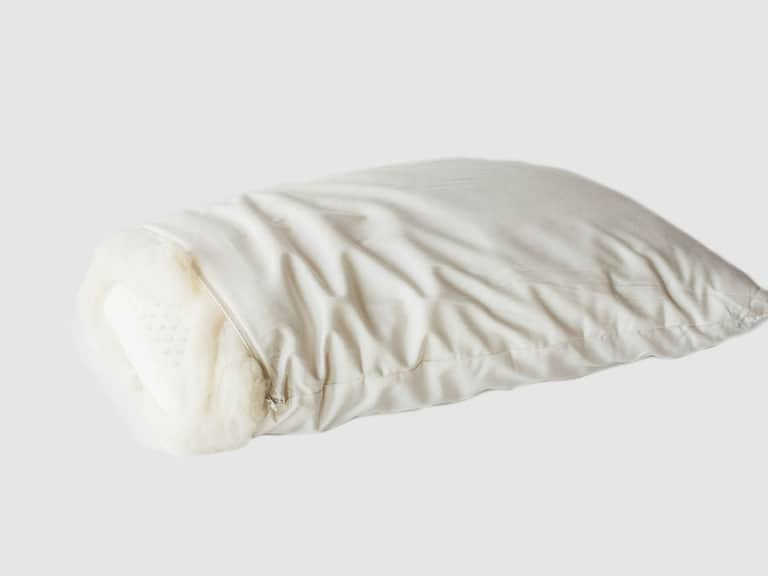
Among latex products, natural wool-wrapped options blend the support of latex with the insulating, moisture-wicking benefits of wool. This combination can enhance temperature regulation and maintain dryness through the night. The wool wrap may also soften over time, while preserving the underlying latex’s supportive contouring for different sleeper types.
Pillows crafted from latex, including models with memory foam components or organic covers, emphasize spinal alignment and pressure relief. The buoyant surface adapts to neck and shoulder contours without excessive compression, supporting restful lateral and back sleeping. Features like removable covers, antimicrobial finishes, and washability contribute to practical use in diverse climates.
For those evaluating bedding materials, latex offers a natural alternative with durable performance and low maintenance needs. When selecting pillows, sheets, or mattresses, consider latex’s density, firmness options, and any layered constructions, such as wool wraps or organic fills. This category informs users about material behavior, care guidelines, and the relevance of bedding components for overall comfort and sleep quality.
 Bedding